
Home / Journal Magazine / Walking the World's Highest Bridge
The Huajiang Grand Canyon Bridge made the world news this year. Almost none of the coverage tells you how to actually visit it. We went, walked it, and wrote down what a day there really involves — the good parts and the skippable ones.
Field notes · Published 29 October 2026 · We visited on 28 October 2026, an ordinary off-season weekday; everything practical below is from that visit unless marked otherwise. This report will also appear as the Feature in the November issue of Xingyi, our monthly magazine. Photographs are our own.
The numbers first, because they are the reason to go. The deck of the Huajiang Grand Canyon Bridge (花江峡谷大桥) hangs 625 metres above the Beipan River — the highest bridge on earth — and its main span, 1,420 metres, is the longest of any mountain bridge in the world. It opened to traffic in September 2025, and in its first year some 3.3 million people came to see it; CNN Travel reported this autumn on how it became a tourist hot spot. What the cameras mostly miss is that this is not a bridge you simply drive across. There is a sightseeing level built into it, with glass floor panels, a tower elevator and a walkway threaded through the steel that lets you stroll out towards the middle of the span, more than half a kilometre above the river. That walk is the experience. Everything else at the site is supporting cast, and some of it, honestly, you can skip.
Most international coverage treats the bridge as a stop on the road from Guiyang. From Xingyi it makes more sense: about 1 hour 45 minutes by car — call it two hours once parking, tickets and the shuttle are counted — close enough for an unhurried day trip, and Xingyi gives you Wanfenglin and the Maling River Canyon on the same trip. Go the other way round — bridge first as a day out from Xingyi, Guiyang afterwards — and the logistics fall into place.
You do not park at the bridge itself. Self-drivers use Car Park 1 or Car Park 2 — reserve the car space ahead in the official WeChat mini-program, which matters on holidays — then ride the site shuttle, which loops between the car parks, the bridge tower and the Yundu Service Area. A shuttle ticket is valid all day. The Yundu Service Area and its public viewing platforms are free and open around the clock; the paid part is going up.
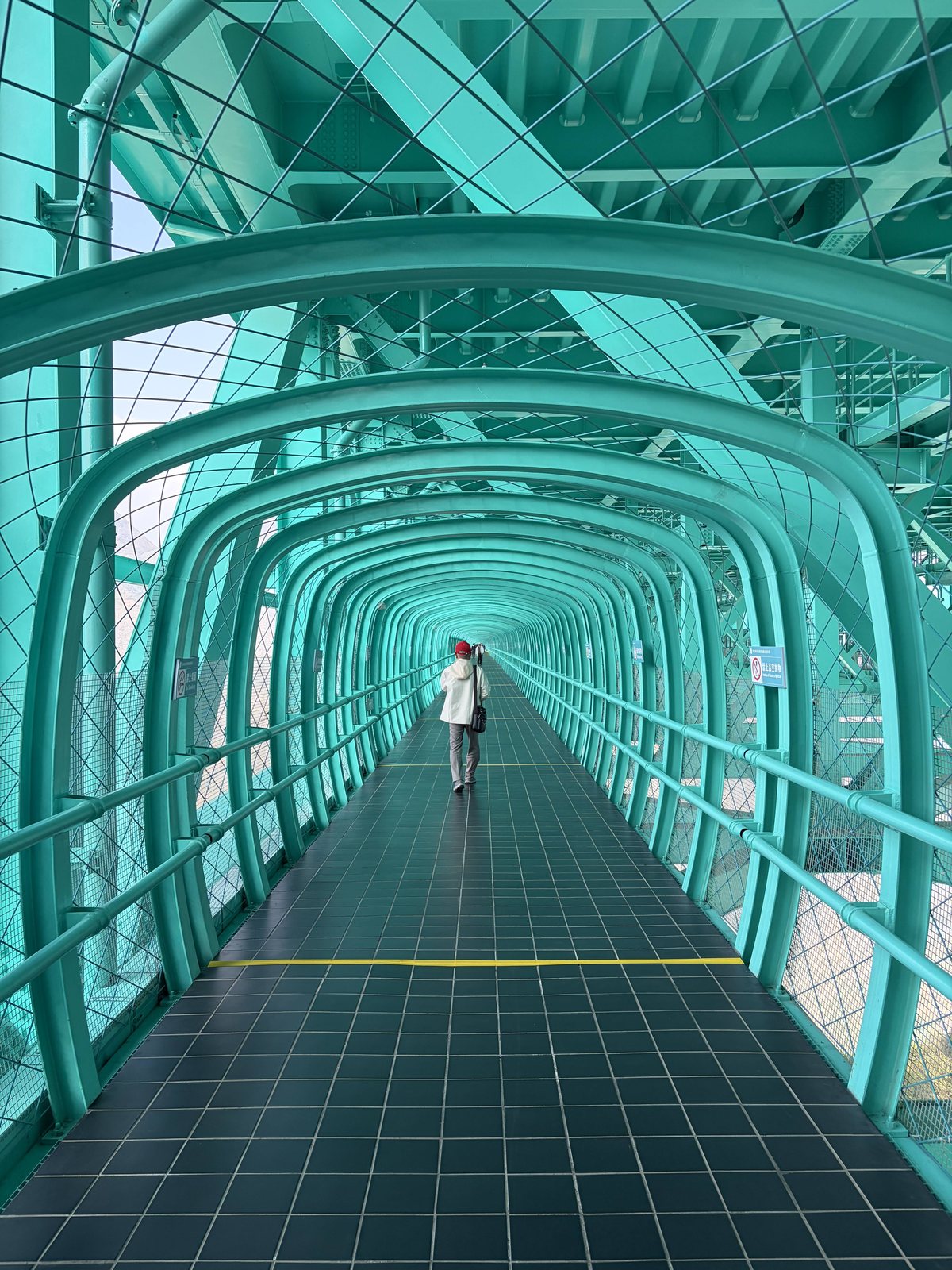
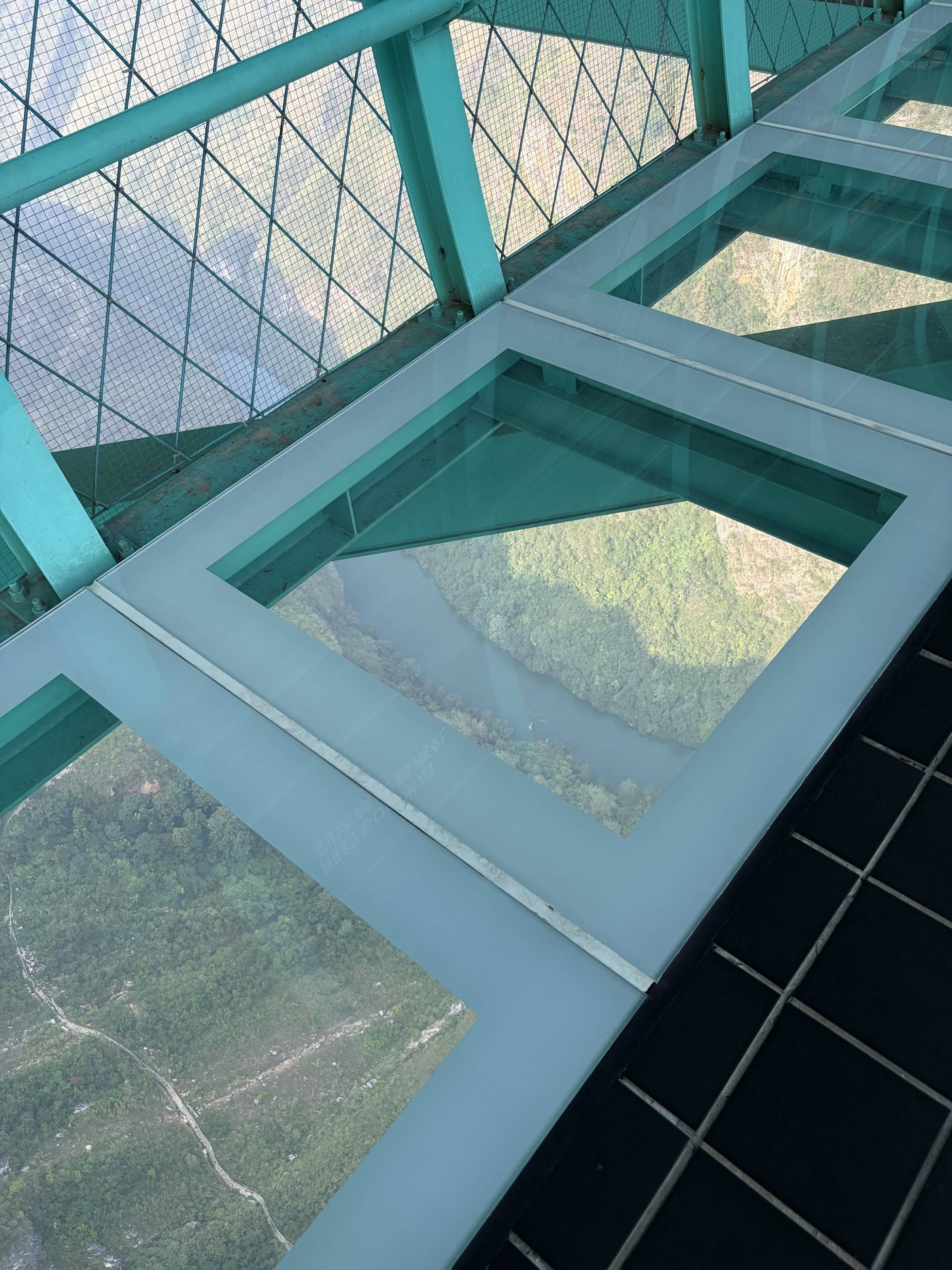
The sightseeing ticket (¥99; ¥49 concessions) takes you up the tower elevator to the bridge's second-floor sightseeing level. From there you walk out into the structure — through the mint-green steel truss, past sections of glass floor with the canyon dropping away under your shoes, out towards mid-span. Allow your legs a moment: the glass sections are genuinely unnerving, in the best way, and they are what people photograph and remember. The whole up-and-down visit takes most people two to three hours at a relaxed pace.
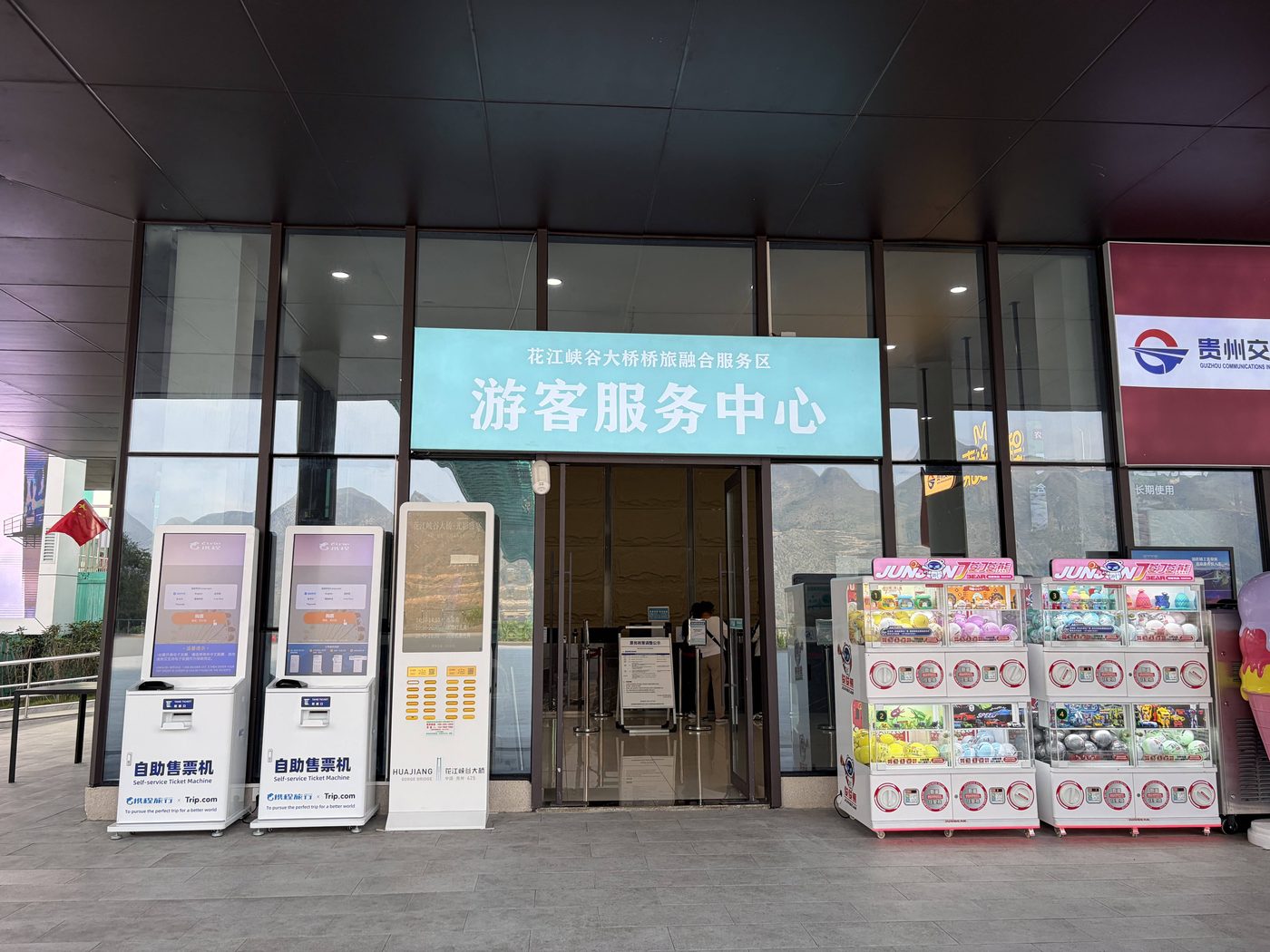
The operator's own mini-program is real-name and built around mainland ID cards, which stops most foreign visitors at the first screen. The workable routes: Trip.com, an official partner for the bridge, sells the sightseeing ticket as an e-ticket whose checkout form takes a passport — show the e-ticket at the gate, no paper ticket to collect. Ctrip's mini-program accepts passports too (we tested it ourselves this week). Hong Kong and Macau visitors: the bare Trip.com ticket takes a Home Return Permit, but the ticket-plus-shuttle bundle does not, so buy the ticket alone and pay for the shuttle on site. Buying at the hall is also possible — bring your actual document, or at least a clear photo of it. If you book the day with us, we buy the tickets ahead on your behalf and the gate is a non-event.
An honest list, from a quiet off-season weekday visit:
The official photo point on the viewing platform. Staff will take your picture at the prime spot, and tour groups queue for it — even out of season, on a weekday, there was a line. The views from the bridge walk itself are better and queue-free.
The service-area restaurant. There is food at Yundu — a viewing restaurant, plus a food court where you can try a few different things. The restaurant is ordinary but perfectly fine; on a quiet day just mind the clock, because outside the lunch and dinner rush the kitchen may be resting, so booking ahead is the safe move. The buffet you may still see listed online was a National Day special and has ended. For a better table, book a meal at the ONAEMONT hotel, right next to the service area: a little pricier, but the setting and the view are far better, and it stays quiet — entry is limited to guests with bookings.
The café at the top of the tower. It has barely opened — a few days over one festival period — and was closed on our visit. Treat it as a bonus if you ever find it open, never as the plan.
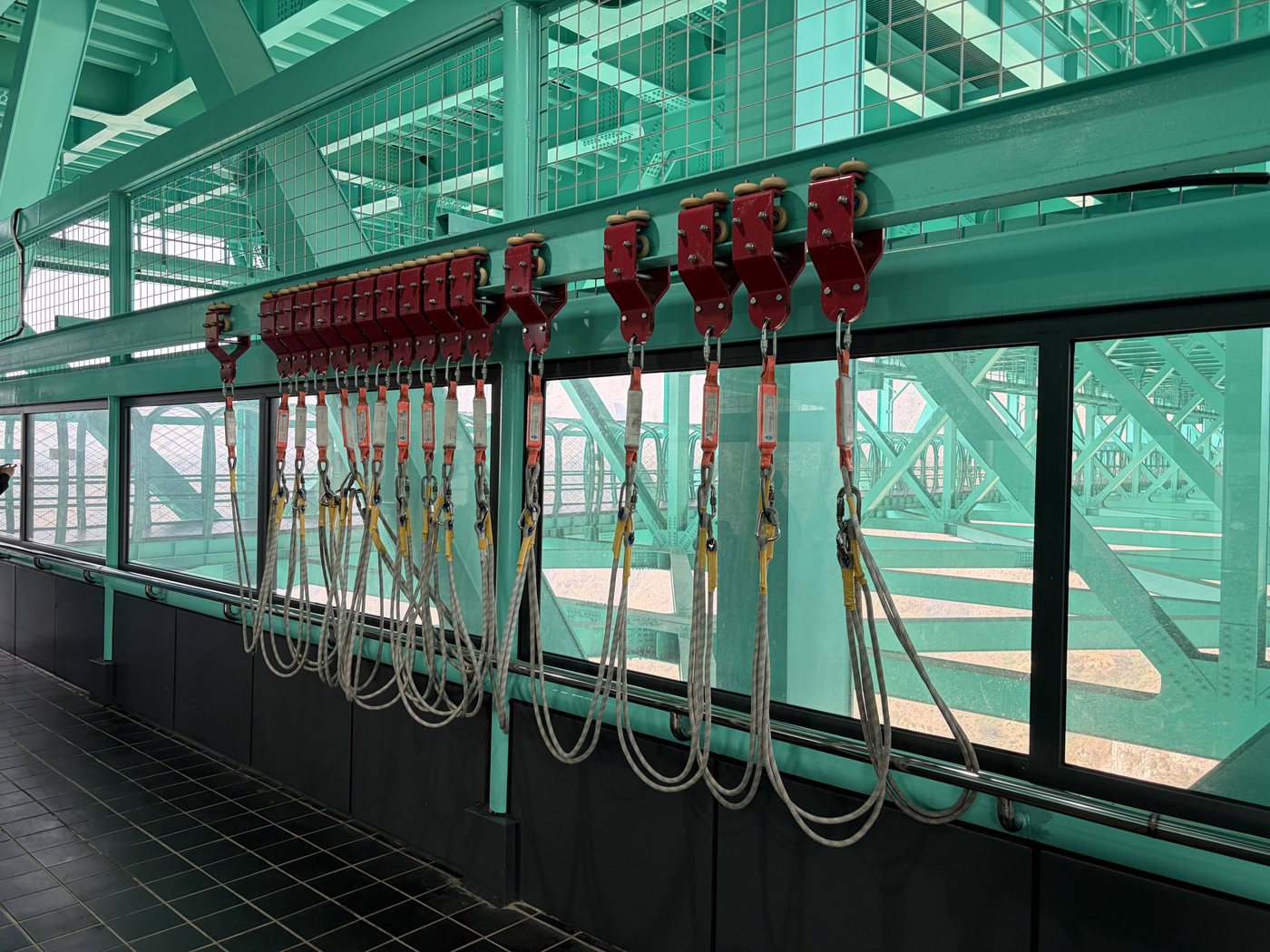
Bungee and the aerial activities. The harness trolleys sit idle on ordinary days; these run on holidays and special-event dates, with booking ahead. Do not build a day around them.
The shows. There is a short water show at 14:00, and the site board lists light shows from 20:30. Pleasant if you happen to be there; not a reason to time your day.
If you have your own car, a mountain road beside Car Park 1 winds down to Xiaohuajiang, the Buyi village in the canyon below the bridge. Do not picture a traditional village of wooden houses: most of what you see is newly built or being rebuilt. On our visit it was almost empty — since the bridge opened, villagers have been adding to and rebuilding their houses as guesthouses and restaurants for the visitors they expect; most of it is still under construction, and by next peak season most of it should be finished, which is when there will be real choice down there. A new viewing platform partway down the road caught the sunset beautifully: the bridge going gold, the river darkening below. For now the village is a self-drive detour rather than a serviced stop, but it is the part of the site with the most future in it. One honest local note: some small restaurants in the village, as in much of rural Guizhou, serve dog meat — 狗肉, usually as a hotpot. If that is not for you, it is clearly signed, and there is always another door to choose.
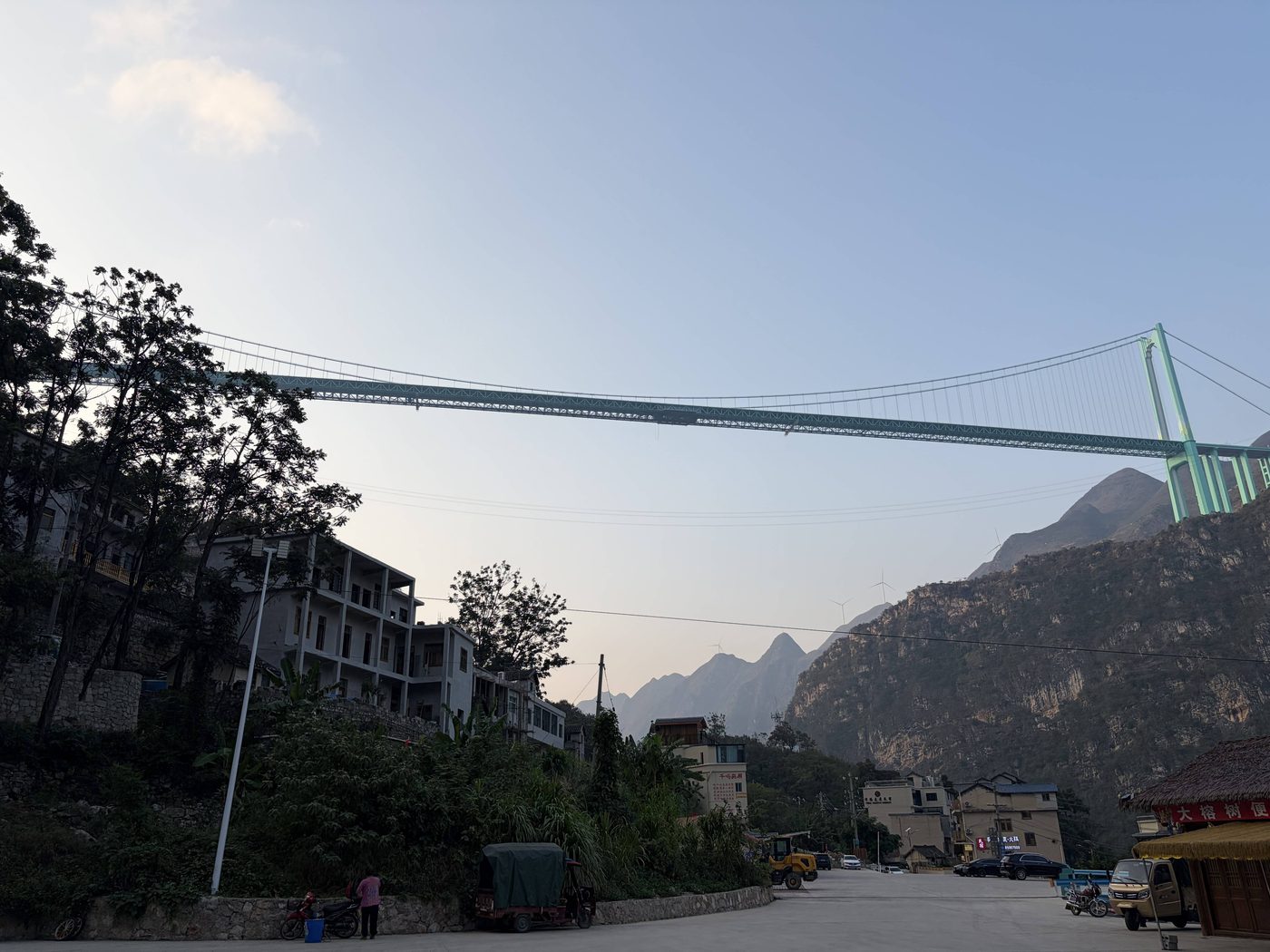
From Xingyi, a day trip is easy and is what we recommend for most people — go mid-morning, walk the bridge, be back for dinner. Staying over buys you two things: sunset at the bridge without a night drive home, and the site nearly to yourself early the next morning. For a bed, the best hotel at the site is the ONAEMONT, right beside the Yundu Service Area — and priced like it. The alternative is the guesthouses down in the valley: mostly simple, hotel-style rooms at a fraction of the price, and after dark you can watch the bridge’s light show from down there. The evening shows alone are not a reason to stay — they are too brief — but the light at both ends of the day might be.
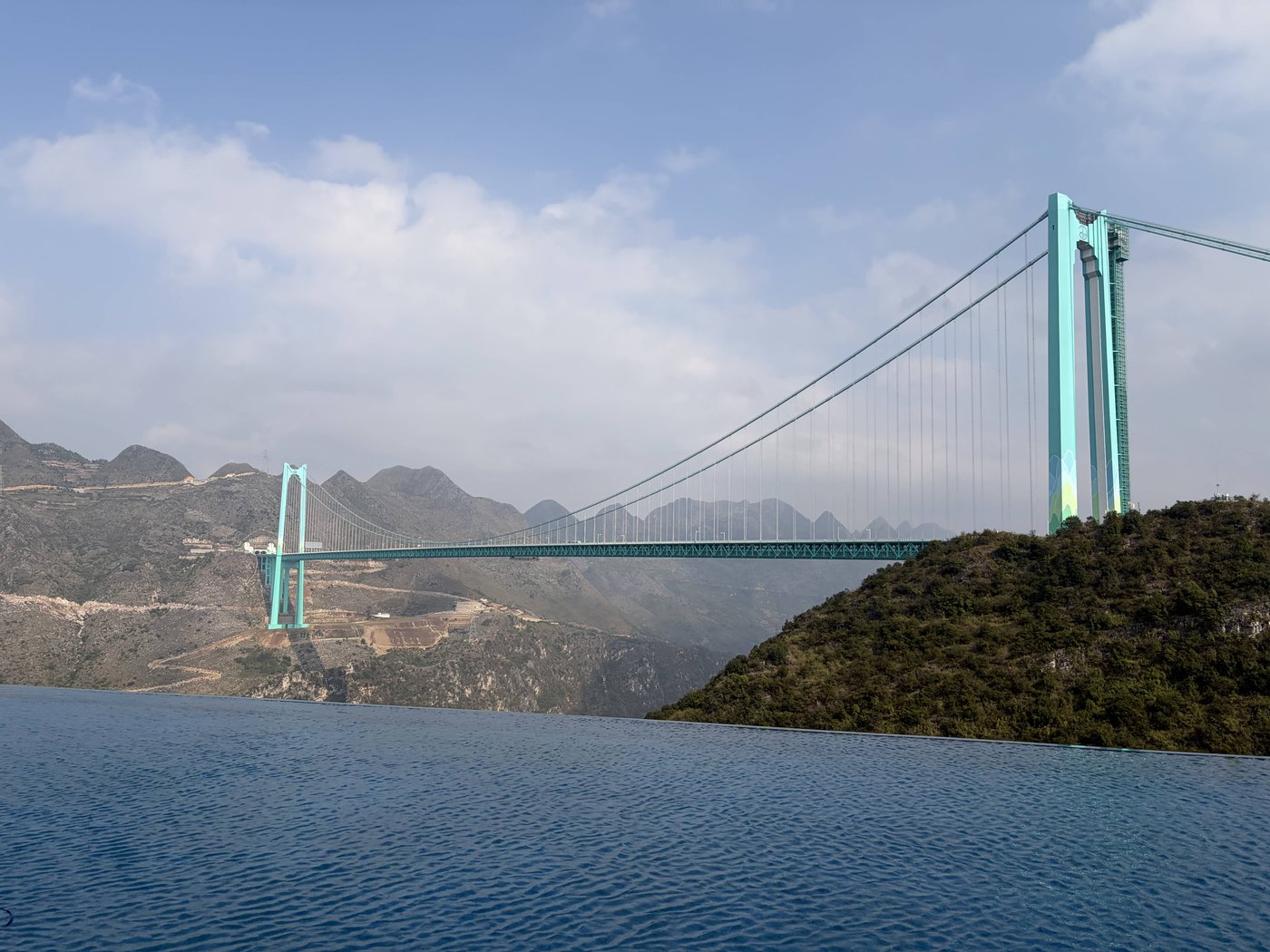
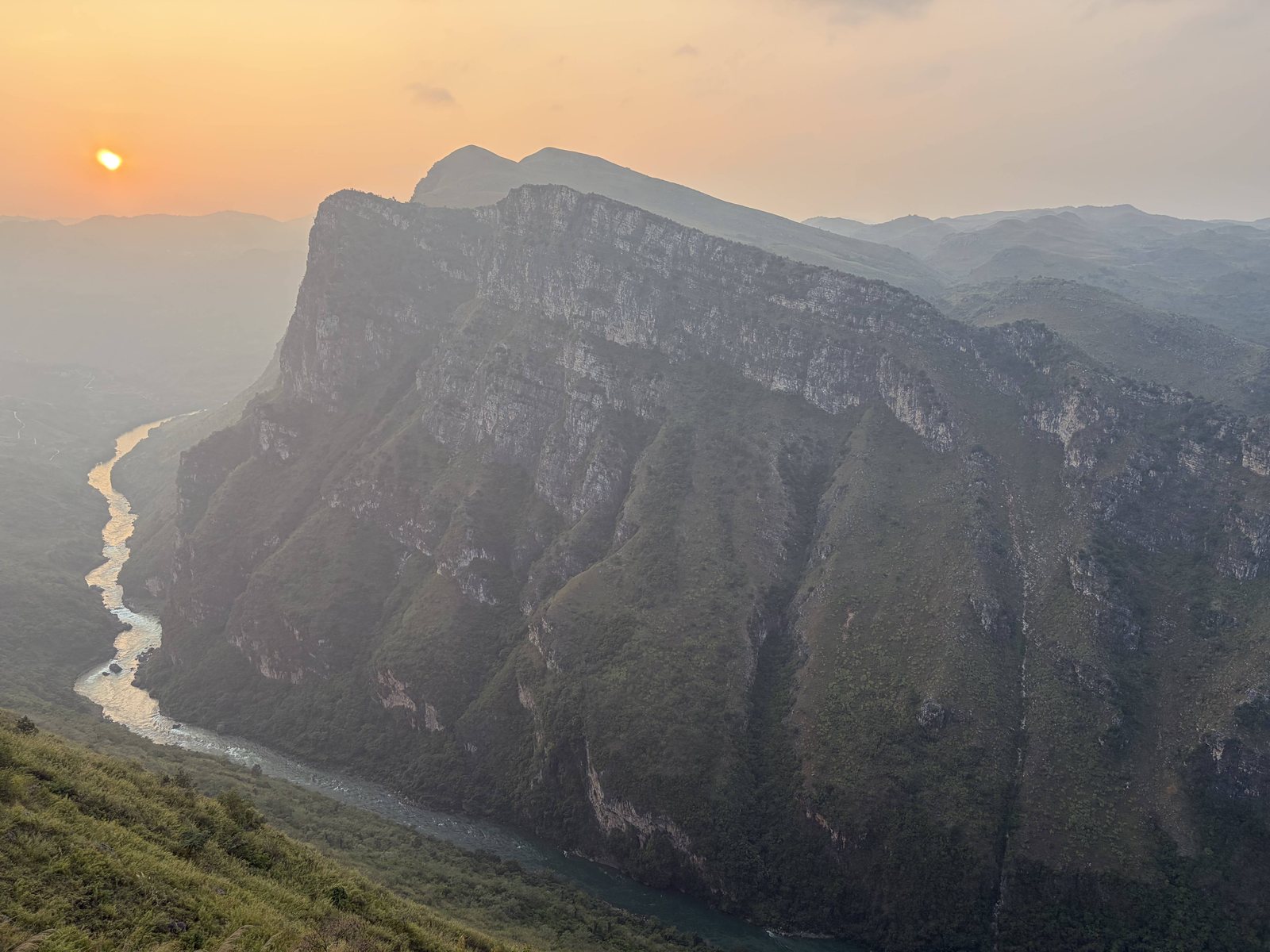
Best light: late afternoon for the canyon; the bridge photographs well all day in clear weather.
Bring: a head for heights is optional but helps. Leave drones and lighters behind — both are banned on the sightseeing level. Anyone with serious vertigo, heart or blood-pressure conditions is advised not to go up.
Getting there without a car: there is effectively no public transport. Our day trip from Xingyi — private car and driver, your own timing, passport tickets handled — runs from Xingyi; independent travellers can also hire a car locally, but agree the return pickup before you go up.
More detail: our Huajiang Bridge guide keeps the practical details — ticket channels, shuttle, parking — updated, and our earlier bridge corridor report covers the engineering story and the Pingtang Sky Bridge at the other end of the province.
Visited and checked on 28–29 October 2026. Prices and visiting rules change; check live details when you book, or just ask us.