
Home / Wanfenglin through the year
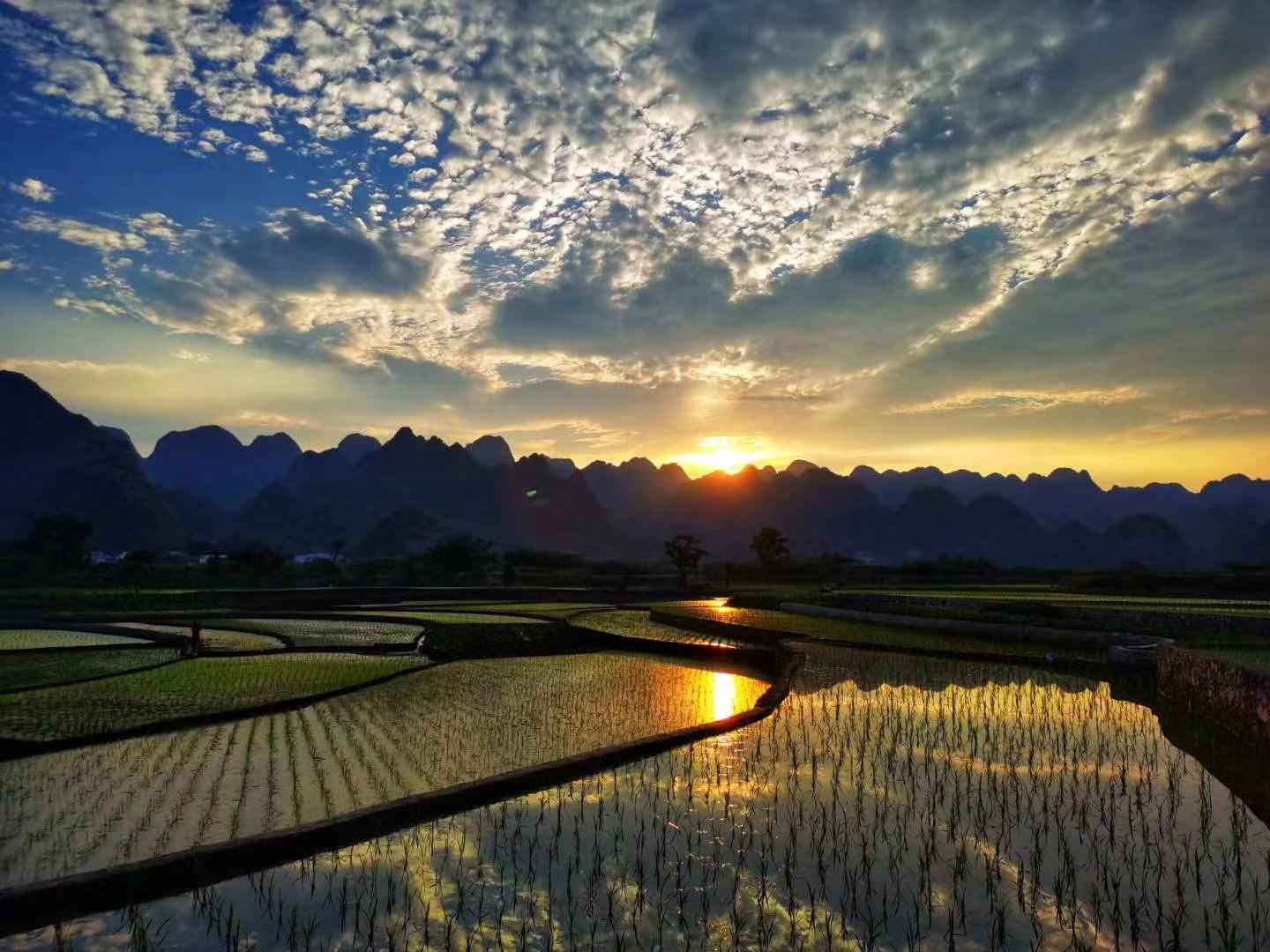
Most photographs of Wanfenglin show you one perfect day. What they don't tell you is that it is never the same place twice.
Wanfenglin is a working valley — nearly twenty thousand karst peaks standing over fields that are ploughed, flooded, planted and cut on the farming calendar. Its colour changes completely through the year, and so does how it feels to stand in it. Here is what each season actually looks like, in our own photographs — and, since people always ask, which one we'd choose.
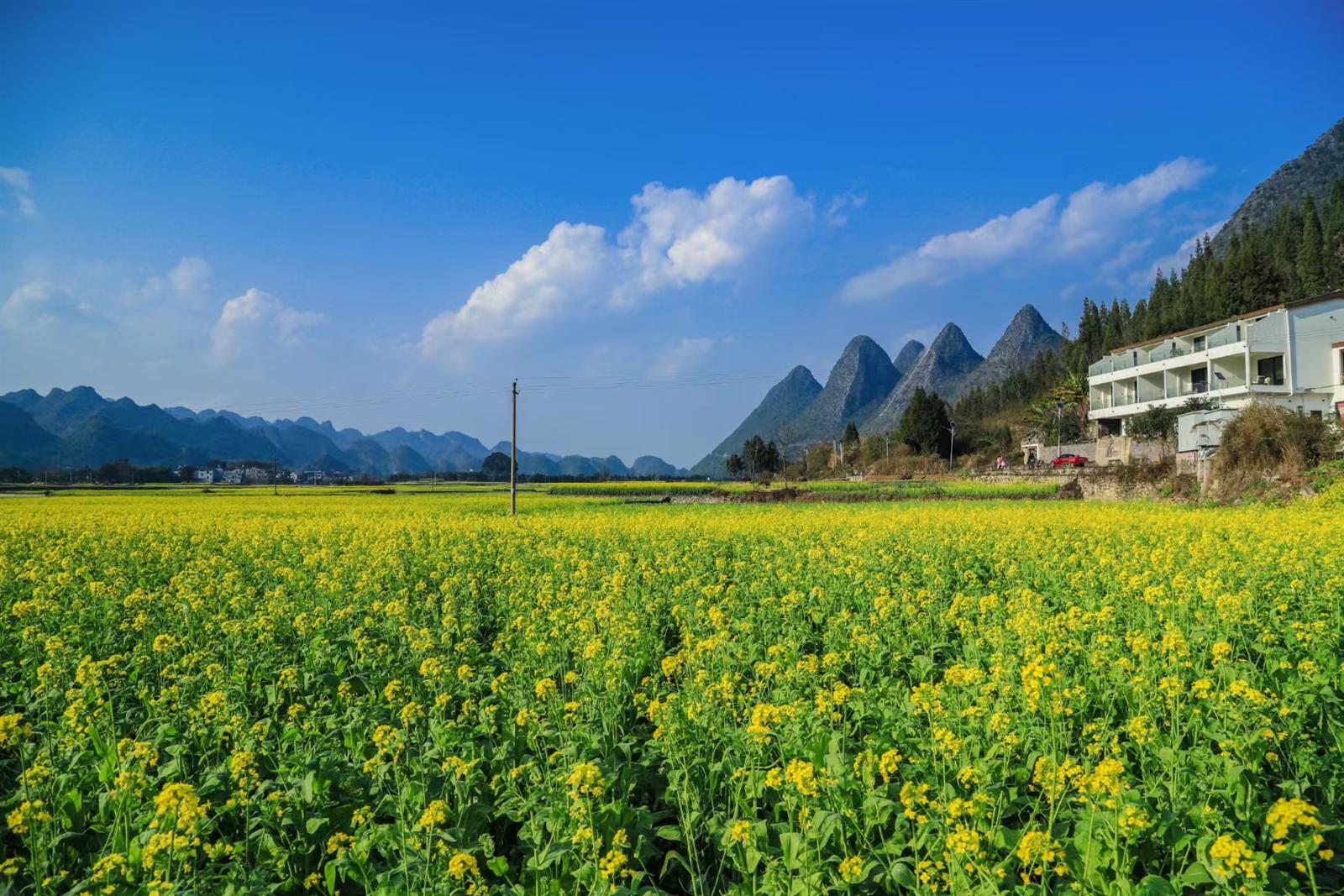
From late February the valley floor turns yellow with canola blossom. This is the picture that made Wanfenglin famous inside China, and it is the busiest season — the one most domestic visitors come for.
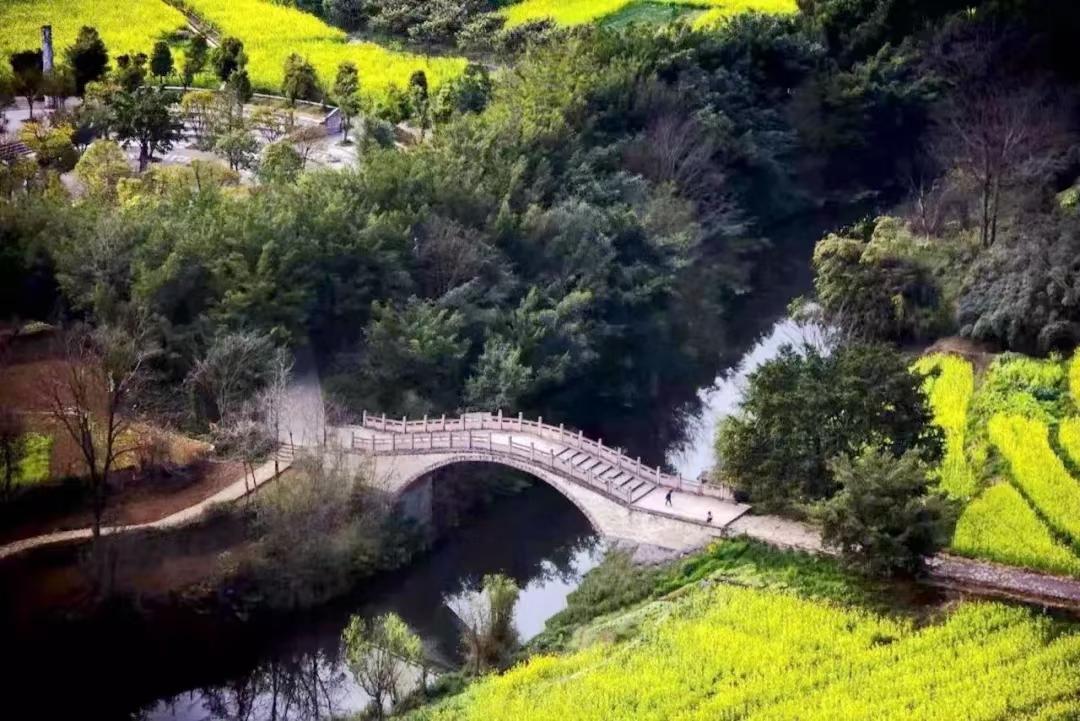
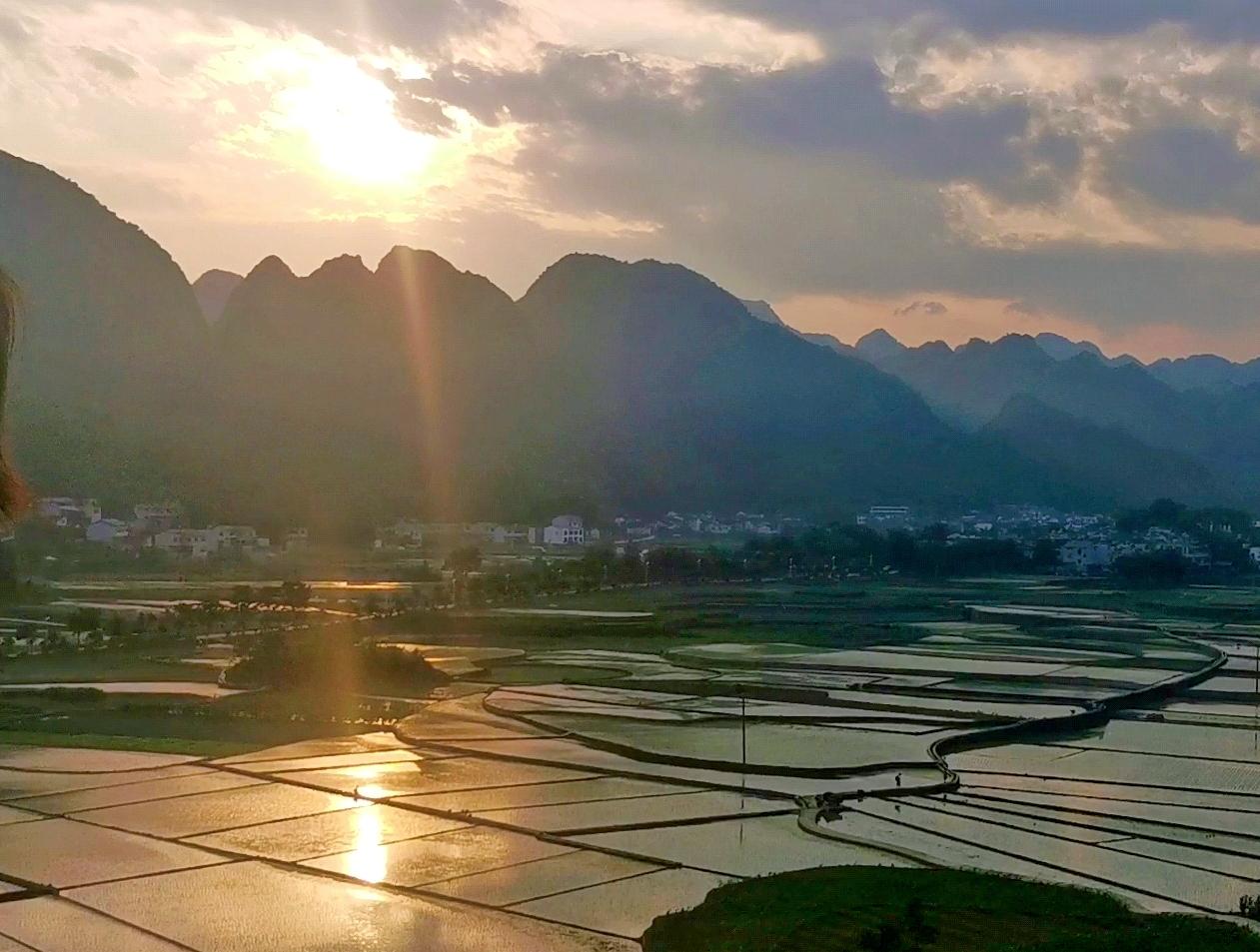
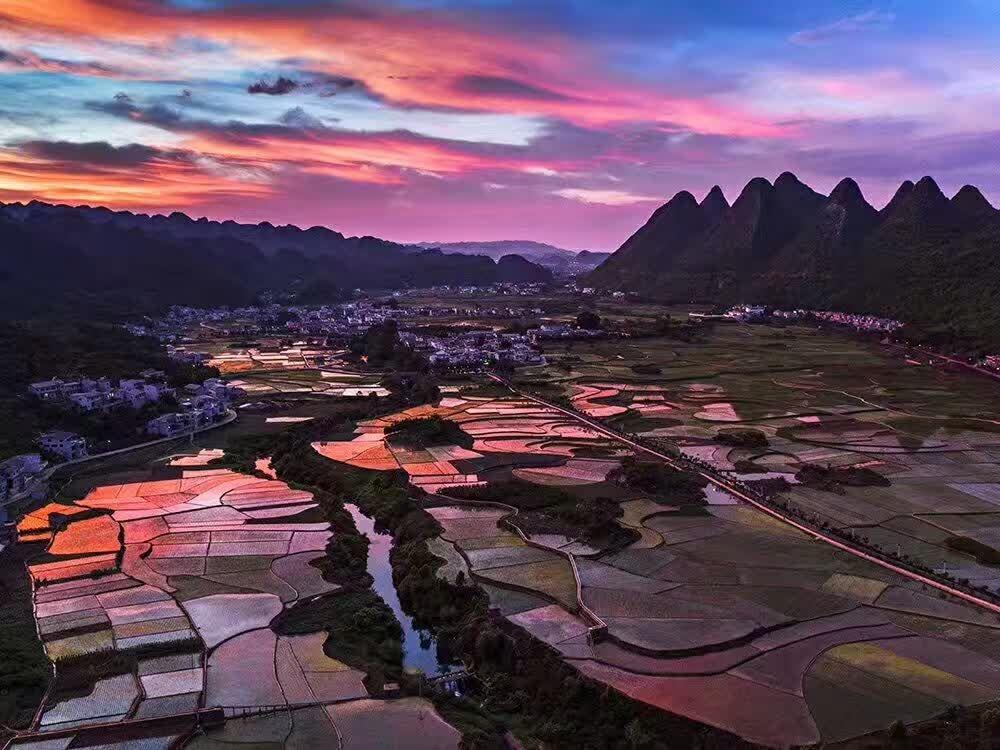
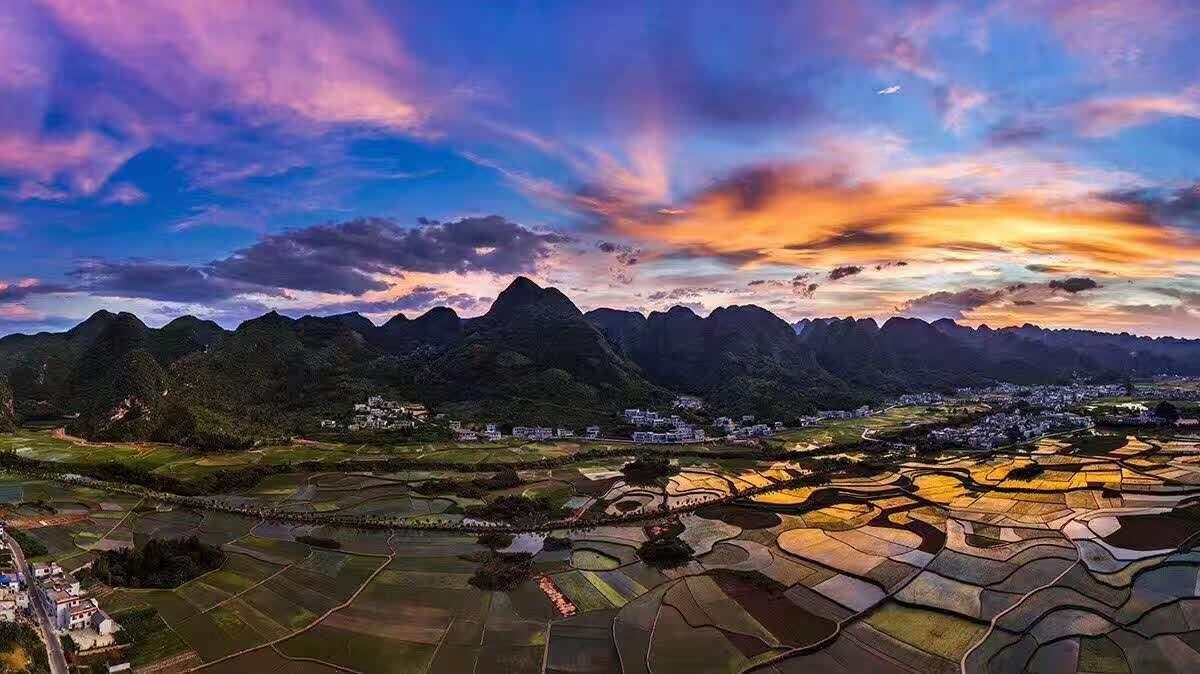
Then, as the farmers flood the paddies to plant rice, the valley does something quieter and stranger: the whole floor becomes a mosaic of mirrors. Catch it at dawn or dusk and the water turns to molten gold between the peaks.
From May the rice grows in and the valley goes deep, saturated green. This is the wet season, but the rain here is usually heavy and short rather than all-day drizzle, and the skies can be dramatic. It is also when the waterfalls at Maling River Canyon are at their most powerful.
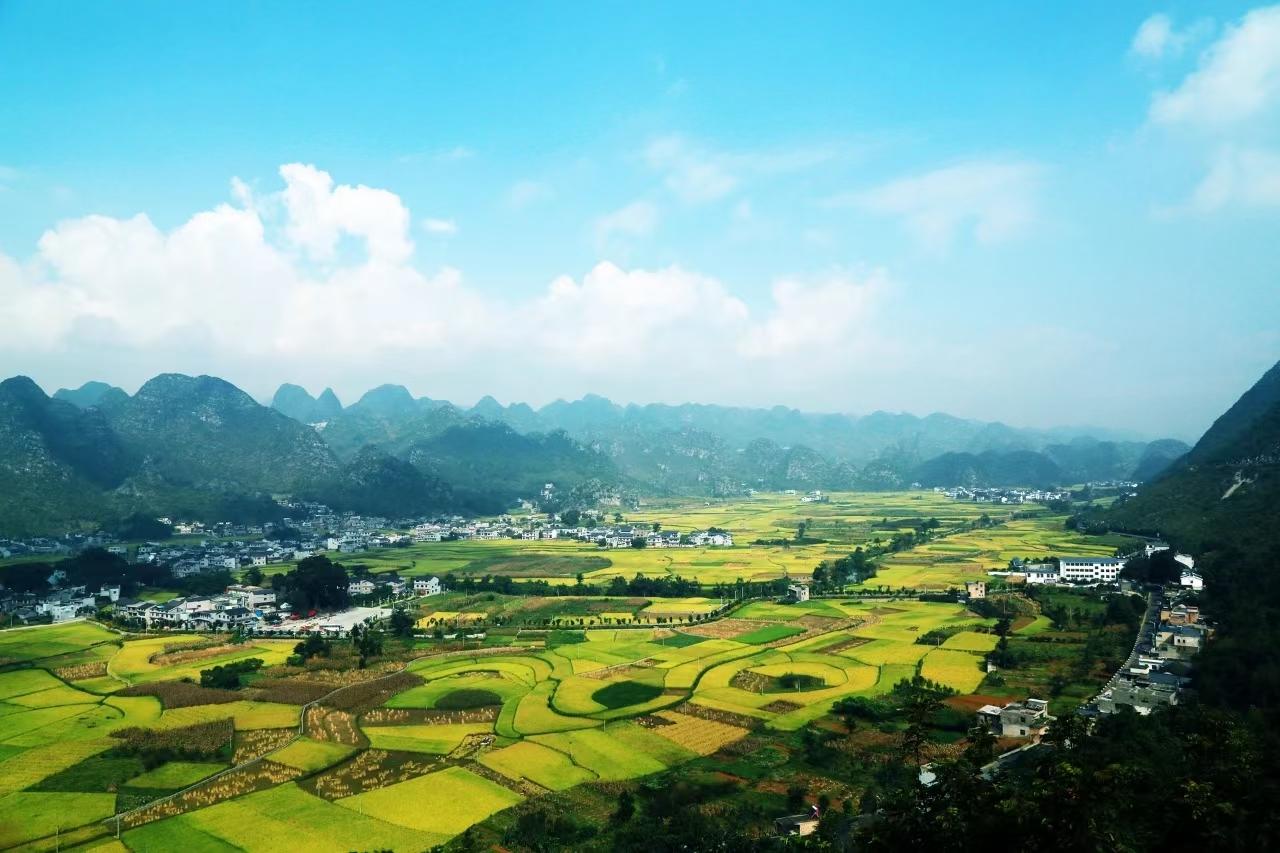
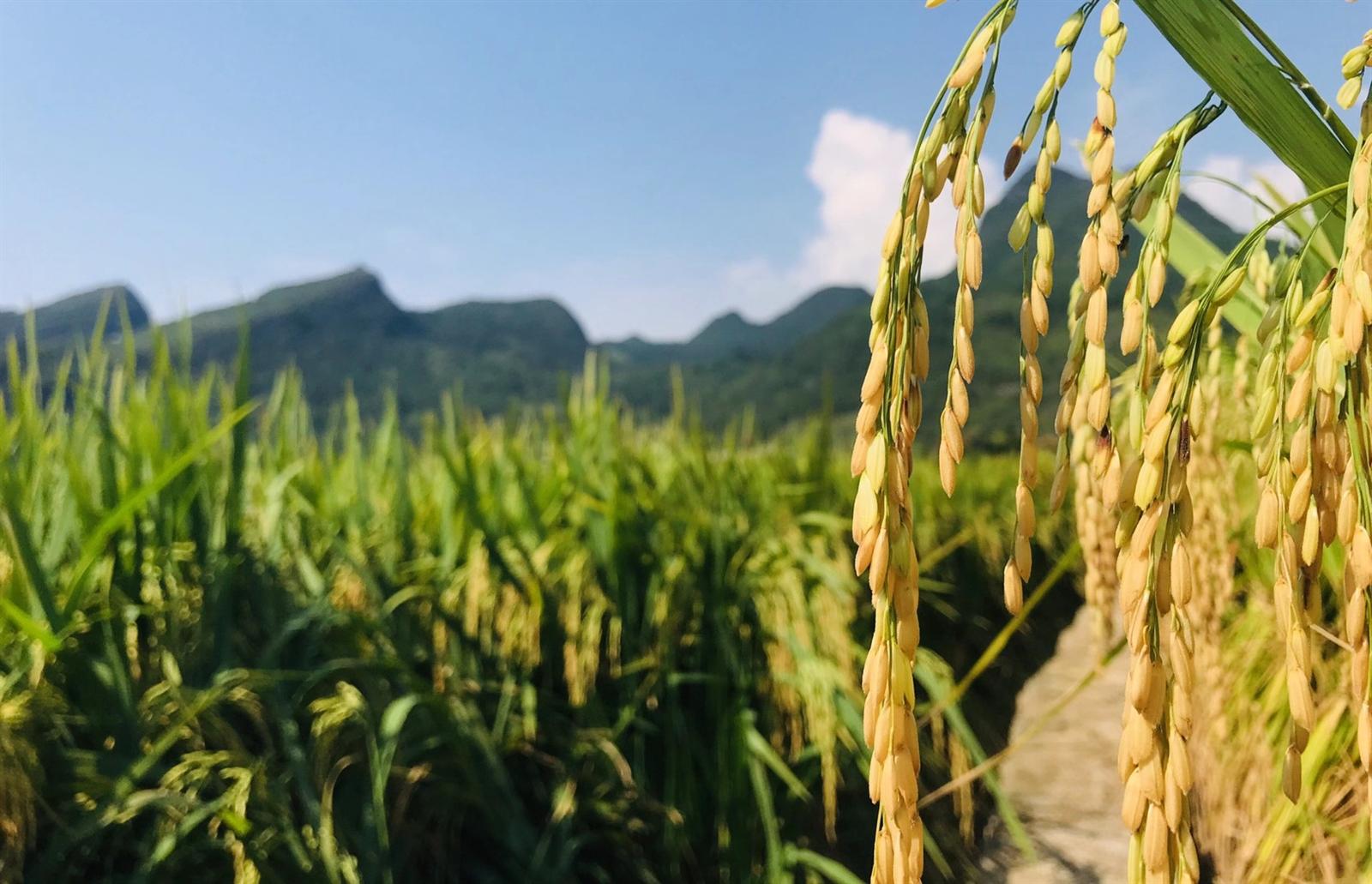
From September the rice ripens to gold before the harvest, and the weather turns to the best of the year — warm days, cool mornings, the summer rain gone. If you made us pick one time to stand in this valley, it would be now.
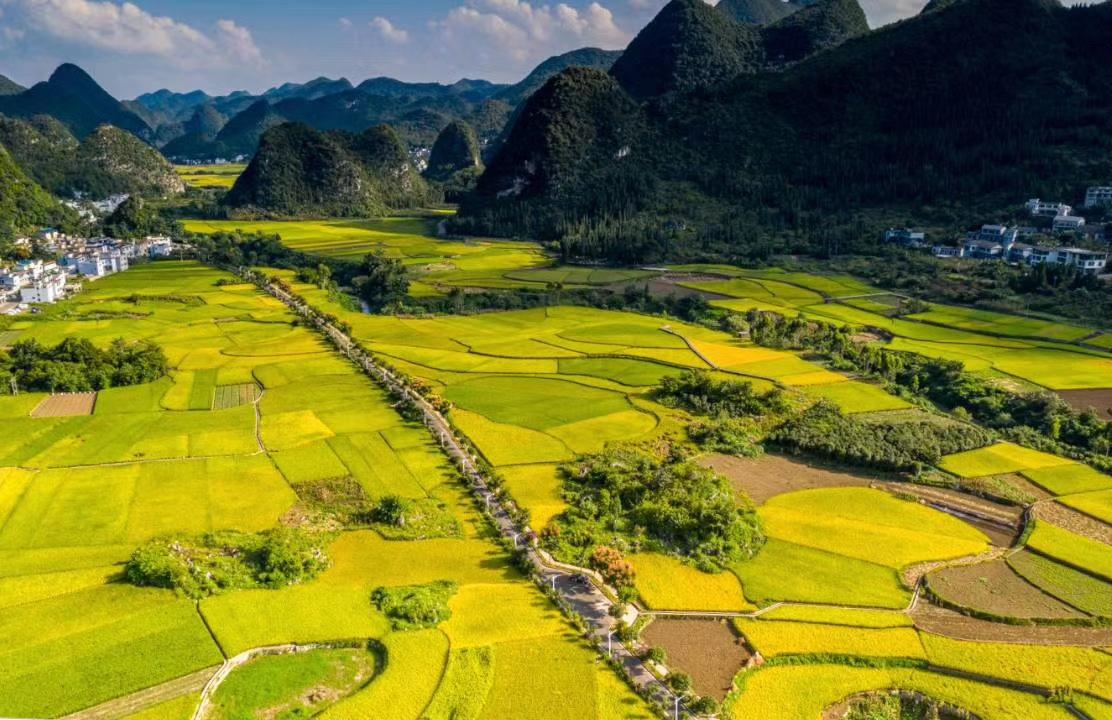
From November the fields are cut, the light goes clear and cool, and on cold mornings fog pools between the cones — the most atmospheric light of the year, and the quietest the valley ever gets. There is no canola and no gold, but if being nearly alone in a place like this matters more to you than colour, this is your season. It is the one we'd send a photographer to, and the one we'd send anyone who has simply had enough of crowds.
Guizhou has an unflattering saying about itself — that it never gets three clear days in a row. That is an exaggeration, but the direction is right: overcast and misty is normal here, and a brilliant blue sky is a bonus rather than the default. If you have seen Wanfenglin under perfect blue, that was a good day, not an average one.
But look again at the photographs above. The drama here is often in the cloud, not despite it — the light breaking through, the mist sitting in the paddies, the colour at the two ends of the day. Come hoping for that, rather than for a cloudless postcard, and the valley rarely disappoints.
Every one of these photographs was taken in the quiet weeks — not on a public holiday. The valley is worth seeing in any season, but the particular thing you might want to see — the canola, the flooded mirrors, the autumn gold, the winter mist — shifts a week or two each year with the weather, and none of it is on a fixed date.
That is the one thing a guidebook can't give you and we can: tell us what you are hoping to see, and we'll tell you honestly when to come for it this year. If you're planning around it, start with when to come, month by month, and the full Wanfenglin guide.